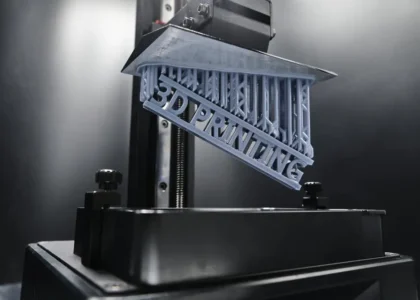
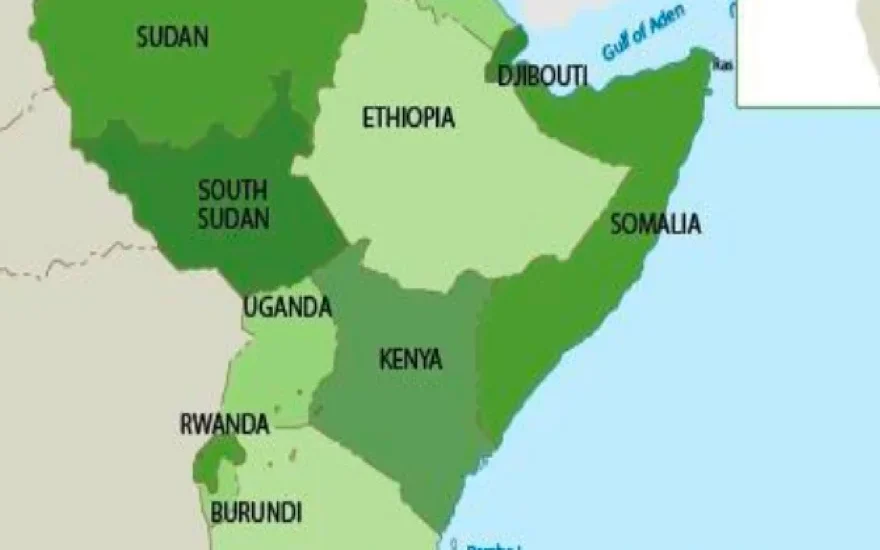
East Africa stands at the threshold of a manufacturing revolution. While the region has traditionally relied on agriculture and services, emerging technologies like 3D printing, automation, and digital manufacturing are creating new possibilities for industrial development. The question isn’t whether this transformation will happen, but how quickly we can adapt to seize the opportunities it presents.
The Current Manufacturing Landscape
Traditional Challenges
East Africa’s manufacturing sector has faced persistent challenges that have limited growth and competitiveness:
Infrastructure Limitations: Inconsistent power supply, inadequate transportation networks, and limited industrial parks have made large-scale manufacturing difficult and expensive.
Skills Gap: Traditional manufacturing requires specialized skills that are often scarce in the region, leading to dependence on foreign expertise and training programs.
Capital Requirements: Conventional manufacturing demands significant upfront investments in machinery, tooling, and facilities – barriers that many entrepreneurs cannot overcome.
Market Access: Small domestic markets and complex export procedures have limited the scale at which manufacturers can operate profitably.
Supply Chain Dependencies: Reliance on imported raw materials and components has made manufacturing vulnerable to global supply chain disruptions.
Emerging Opportunities
Despite these challenges, several trends are creating new opportunities:
Growing Middle Class: Rising incomes across East Africa are creating demand for manufactured goods and higher-quality products.
Regional Integration: The African Continental Free Trade Area (AfCFTA) is opening access to larger markets across the continent.
Infrastructure Investment: Major infrastructure projects are improving power generation, transportation, and digital connectivity.
Young Demographics: A young, increasingly educated population is driving innovation and entrepreneurship.
Technology Access: Falling costs of technology and improved internet connectivity are democratizing access to advanced manufacturing tools.
The 3D Printing Revolution
Democratizing Manufacturing
3D printing is fundamentally changing who can manufacture and what can be produced:
Lower Barriers to Entry: A complete 3D printing setup can cost less than a single traditional machine tool, making manufacturing accessible to small businesses and individuals.
Design Freedom: Complex geometries that are impossible or expensive with traditional methods become routine with 3D printing.
Customization at Scale: Mass personalization becomes economically viable, enabling products tailored to individual needs.
Rapid Prototyping: The ability to quickly iterate designs accelerates innovation and reduces development costs.
On-Demand Production: Eliminate inventory costs and enable just-in-time manufacturing for low-volume products.
Real-World Applications
Across East Africa, 3D printing is already making an impact:
Healthcare: Custom prosthetics, surgical guides, and medical models are improving patient outcomes while reducing costs.
Education: Schools are using 3D printed models to make abstract concepts tangible and engaging.
Agriculture: Custom tools, irrigation components, and equipment repairs are supporting farming innovations.
Architecture: Detailed models are improving design communication and client approval processes.
Jewelry and Arts: Artisans are creating intricate designs impossible with traditional methods.
Digital Manufacturing Integration
Industry 4.0 in East Africa
The fourth industrial revolution isn’t just about 3D printing – it’s about integrating digital technologies throughout the manufacturing process:
Internet of Things (IoT): Smart sensors and connected devices are enabling predictive maintenance and quality monitoring even in small manufacturing operations.
Artificial Intelligence: AI is optimizing production schedules, predicting demand, and improving quality control processes.
Digital Twins: Virtual models of physical processes are allowing manufacturers to simulate and optimize operations before implementing changes.
Blockchain: Distributed ledger technology is improving supply chain transparency and enabling new business models.
Mobile-First Solutions
East Africa’s leap-frog adoption of mobile technology provides a foundation for digital manufacturing:
Mobile Manufacturing Apps: Entrepreneurs can manage production, track inventory, and communicate with customers using smartphone applications.
Mobile Payments: Digital payment systems enable new business models and reduce transaction costs.
Remote Monitoring: Manufacturers can monitor equipment and processes remotely using mobile connectivity.
Digital Marketplaces: Online platforms connect manufacturers directly with customers, eliminating traditional intermediaries.
Skills and Education Transformation
New Skill Requirements
The future of manufacturing requires different skills than traditional approaches:
Digital Literacy: Understanding software tools, data analysis, and digital workflows becomes essential.
Design Thinking: Problem-solving approaches that start with user needs rather than manufacturing constraints.
Systems Integration: Understanding how different technologies work together rather than specializing in single processes.
Continuous Learning: Rapid technology evolution requires ongoing skill development throughout careers.
Educational Evolution
Educational institutions across East Africa are adapting to prepare students for the new manufacturing reality:
TVET Integration: Technical and vocational training programs are incorporating 3D printing, automation, and digital design tools.
University Partnerships: Collaborations between universities and industry are ensuring curriculum relevance and providing practical experience.
Maker Spaces: Hands-on learning environments are giving students access to advanced manufacturing tools and fostering innovation.
Online Learning: Digital platforms are making specialized manufacturing knowledge accessible regardless of location.
Economic Implications
New Business Models
Digital manufacturing enables business models that weren’t previously viable:
Distributed Manufacturing: Products can be designed centrally but manufactured locally, reducing transportation costs and enabling customization.
Service-Based Manufacturing: Companies can offer manufacturing as a service rather than requiring capital investment in equipment.
Circular Economy: 3D printing enables repair, refurbishment, and recycling applications that extend product lifecycles.
Platform Businesses: Digital platforms can connect designers, manufacturers, and customers in new ways.
Employment Evolution
The impact on employment is complex, with both challenges and opportunities:
Job Displacement: Some traditional manufacturing jobs may be automated or eliminated.
New Job Creation: New roles in design, digital manufacturing, and technology maintenance are emerging.
Skill Premium: Workers with digital manufacturing skills command higher wages and better job security.
Entrepreneurship Opportunities: Lower barriers to entry enable more people to start manufacturing businesses.
Sustainability and Environmental Impact
Reduced Environmental Footprint
Digital manufacturing offers several environmental advantages:
Material Efficiency: 3D printing is additive rather than subtractive, reducing waste generation.
Local Production: Reduced need for transportation decreases carbon emissions and packaging waste.
Product Longevity: On-demand spare parts production extends product lifecycles.
Recyclable Materials: New 3D printing materials are designed for recyclability and reuse.
Challenges to Address
However, some environmental concerns need attention:
Energy Consumption: Some 3D printing processes are energy-intensive and require sustainable power sources.
Material Toxicity: Proper handling and disposal of some 3D printing materials requires careful management.
Electronic Waste: Rapid technology evolution could create electronic waste if not managed properly.
Regional Integration and Trade
AfCFTA Opportunities
The African Continental Free Trade Area creates new possibilities for manufacturing:
Larger Markets: Access to continental markets makes larger-scale production viable.
Specialization: Regions can specialize in particular types of manufacturing while trading with others.
Supply Chain Integration: Regional supply chains can reduce dependence on imports from outside Africa.
Technology Transfer: Collaboration between African countries can accelerate technology adoption and skill development.
Competitive Advantages
East Africa has several advantages for advanced manufacturing:
Strategic Location: Proximity to Asia, Europe, and the rest of Africa provides market access opportunities.
English Language: English proficiency facilitates international collaboration and technology transfer.
Renewable Energy: Abundant solar, wind, and hydroelectric resources can power sustainable manufacturing.
Young Population: A demographic dividend provides a workforce ready to adopt new technologies.
Policy and Infrastructure Requirements
Supportive Policy Framework
Realizing the potential of advanced manufacturing requires appropriate policies:
Education Investment: Funding for TVET programs, university research, and continuous learning initiatives.
Innovation Incentives: Tax policies and grants that encourage research, development, and technology adoption.
Regulatory Adaptation: Updated regulations that account for new manufacturing methods and business models.
Infrastructure Investment: Continued improvement in power, internet, and transportation infrastructure.
Private-Public Partnerships
Collaboration between government and private sector is essential:
Technology Hubs: Shared facilities that provide access to advanced manufacturing equipment and training.
Skills Development: Industry-led training programs that address specific skill gaps.
Market Development: Programs that connect local manufacturers with regional and international markets.
Research Collaboration: Partnerships between industry and universities to drive innovation.
Challenges and Risks
Technology Adoption Barriers
Several challenges could slow the transition to advanced manufacturing:
Digital Divide: Unequal access to technology and internet connectivity could leave some communities behind.
Skills Mismatch: If education systems don’t adapt quickly enough, skill shortages could constrain growth.
Financing Gaps: Small businesses may struggle to access capital for technology investments.
Regulatory Uncertainty: Unclear or outdated regulations could discourage innovation and investment.
Global Competition
East Africa faces competition from other regions also adopting advanced manufacturing:
Established Industrial Powers: Countries with existing manufacturing infrastructure may have first-mover advantages.
Low-Cost Competitors: Regions with lower labor costs may continue to attract traditional manufacturing.
Technology Leaders: Countries leading in technology development may capture more value in global supply chains.
Success Stories and Examples
Kenya’s Manufacturing Progress
Kenya has made significant strides in advanced manufacturing:
Automotive Assembly: Local assembly of vehicles using global platforms demonstrates integration with international supply chains.
Textile Innovation: Integration of digital design and 3D printing in fashion and textile production.
Agricultural Technology: 3D printed components for irrigation systems and farming equipment.
Uganda’s Innovation Ecosystem
Uganda is developing capabilities across several sectors:
Medical Devices: 3D printed prosthetics and surgical instruments improving healthcare access.
Educational Tools: 3D printed models enhancing STEM education in schools and universities.
Agricultural Solutions: Custom tools and components supporting agricultural innovation.
Rwanda’s Digital Ambitions
Rwanda’s focus on becoming a technology hub includes manufacturing:
Smart Manufacturing: Integration of IoT and AI in production processes.
Skills Development: Major investments in technical education and training programs.
Innovation Hubs: Establishment of maker spaces and technology incubators.
The Next Decade: Predictions and Possibilities
Technology Evolution
Several trends will shape the next decade of manufacturing in East Africa:
Improved Accessibility: Continued cost reductions and simplified operation of advanced manufacturing equipment.
Material Innovation: New materials with improved properties and sustainability characteristics.
Process Integration: Better integration between different manufacturing technologies and processes.
AI Enhancement: Artificial intelligence making manufacturing processes more efficient and accessible.
Market Development
Local Market Growth: Rising incomes and urbanization driving demand for manufactured goods.
Export Opportunities: Integration with global supply chains and access to international markets.
Service Economy Integration: Manufacturing increasingly integrated with service offerings.
Circular Economy: Closed-loop manufacturing systems that minimize waste and maximize resource efficiency.
Recommendations for Stakeholders
For Entrepreneurs and Businesses
Start Small: Begin with simple applications and scale up as experience and markets develop.
Focus on Local Needs: Identify problems specific to East African markets that global manufacturers don’t address.
Invest in Skills: Continuous learning and skill development are essential for staying competitive.
Build Networks: Collaborate with other businesses, educational institutions, and government agencies.
For Educational Institutions
Curriculum Modernization: Update programs to include digital manufacturing technologies and methods.
Industry Partnerships: Develop closer relationships with manufacturers to ensure relevance and provide practical experience.
Equipment Investment: Provide students access to modern manufacturing equipment and software.
Entrepreneurship Support: Encourage and support student entrepreneurship in manufacturing.
For Policymakers
Infrastructure Investment: Continue improving power, internet, and transportation infrastructure.
Education Support: Invest in technical education and continuous learning programs.
Innovation Incentives: Create policies that encourage research, development, and technology adoption.
Regional Cooperation: Work with other East African countries to develop integrated manufacturing capabilities.
Conclusion
The future of manufacturing in East Africa is bright, but success is not guaranteed. The region has unique opportunities to leapfrog traditional manufacturing development and build advanced, sustainable, digitally-integrated manufacturing capabilities.
The key is to act now – to invest in education, support innovation, build infrastructure, and create policies that enable the manufacturing transformation. Countries and businesses that move quickly to embrace advanced manufacturing technologies will have significant competitive advantages.
3D printing and digital manufacturing are not just new ways to make things – they represent fundamental shifts in how we think about production, distribution, and consumption. For East Africa, these technologies offer a path to manufacturing leadership that doesn’t require following the traditional industrial development model.
The manufacturing revolution is already underway. The question is not whether East Africa will participate, but how quickly and effectively the region can position itself to lead this transformation. The decisions made today will determine whether East Africa becomes a manufacturing leader or remains dependent on others for manufactured goods.
The future belongs to those who embrace change, invest in capabilities, and have the vision to see possibilities where others see only challenges. East Africa has all the ingredients needed for manufacturing success – the question is whether we will combine them effectively to realize our potential.